

Our Cincinnati Dental Crowns
If you have a cracked, worn, or weakened tooth, a dental crown can restore both its health and appearance. At Seibert Complete Dentistry, we specialize in creating custom dental crowns in Cincinnati that strengthen and protect damaged teeth while blending naturally into your smile.
From everyday wear and tear to sudden damage, crowns provide a durable solution that looks as good as it feels. Whether you’re taking group photos, enjoying a meal, or simply smiling with confidence, a tooth crown restores function and beauty so you can enjoy every moment without worry.
Dental Crowns in Anderson Township
Seibert Complete Dentistry provides custom dental crowns in Anderson Township to strengthen and protect teeth that have been damaged, weakened, significantly decayed, or restored with a large filling. Each crown is designed to fit comfortably and blend naturally with your smile while helping restore the tooth’s shape, function, and appearance.
Dental Crowns in Cincinnati
If you’re searching for dental crowns in Cincinnati, Seibert Complete Dentistry offers personalized restorative care from our Anderson Township office. A dental crown can help protect a compromised tooth from further damage while restoring your ability to chew and speak comfortably. We’ll evaluate your tooth and recommend the appropriate restoration based on your individual needs.
Protect and Restore Your Smile
If you have a cracked, weakened, worn, or heavily restored tooth, early evaluation may help prevent additional damage. Contact Seibert Complete Dentistry to learn whether a dental crown can help restore and protect your tooth.
Why Choose Seibert
As a trusted Cincinnati family dentist, we believe your smile care should go beyond just teeth, it should focus on your comfort, confidence, and long-term oral health. At Seibert Complete Dentistry, you’ll receive care from a team that knows you, understands your goals, and uses proven techniques to deliver results you’ll love. With us, you’re never just another patient, you’re part of our dental family.
Why Dental Crowns Matter
When a tooth becomes cracked, severely decayed, or structurally weak, a simple filling may not be enough to restore it. That’s where dental crowns come in. Acting as a protective cap, a crown fully covers the damaged tooth, reinforcing its structure and preventing further problems. Beyond restoring strength, crowns can also correct bite alignment, improve comfort, and enhance the overall look of your smile.
Benefits of Dental Crowns
Dental crowns are one of the most versatile and reliable restorations in dentistry. They protect and strengthen compromised teeth while improving aesthetics and comfort.
-
Restores strength and stability to damaged teeth
-
Protects teeth from further decay or cracking
-
Blends seamlessly with natural teeth for a polished look
-
Improves chewing and speaking ability
-
Can correct bite issues and relieve discomfort
-
Long-lasting solution with proper care
-
Enhances the overall shape and appearance of your smile
-
Boosts confidence by giving you a complete, healthy look

FAQ
Frequently Asked Questions
What is a dental crown?
A dental crown is a custom-made restoration that completely covers a damaged or weakened tooth to restore its strength, shape, function, and appearance. Crowns are commonly used for teeth that have extensive decay, cracks, large fillings, or other structural damage that cannot be adequately repaired with a filling.
When do I need a dental crown instead of a filling?
A filling is generally appropriate when a tooth has a smaller area of decay or damage and enough healthy structure remains to support the tooth. A crown may be recommended when a tooth is significantly weakened, cracked, worn, or extensively restored and needs additional protection to prevent further damage.
What problems can a dental crown fix?
Dental crowns can restore teeth that are severely decayed, cracked, fractured, worn, weakened, or damaged after a root canal. Crowns can also replace an old or failing restoration and improve the shape, appearance, and function of a tooth.
How long do dental crowns last?
With good oral hygiene and regular dental care, dental crowns can often last 10–15 years or longer. Their lifespan depends on the material, location of the crown, your bite, oral hygiene, and habits such as teeth grinding or chewing on hard objects.
Do dental crowns look natural?
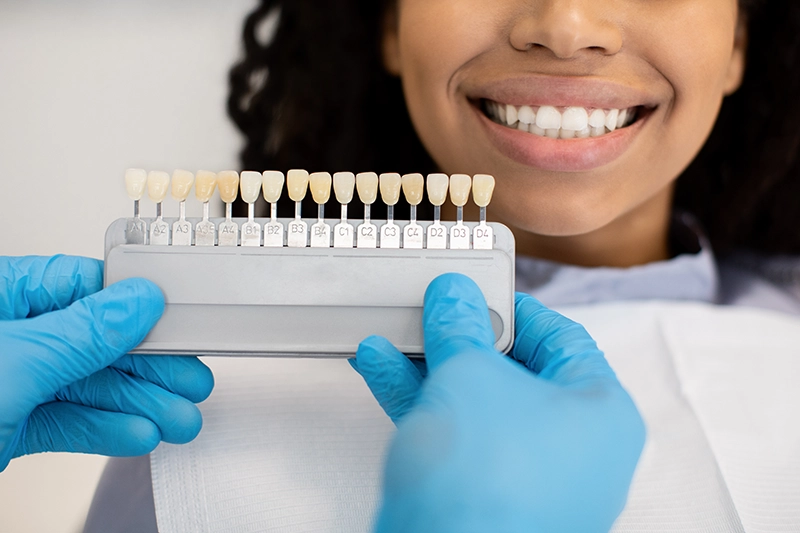
Yes. Modern dental crowns are designed to closely resemble natural teeth. Your crown is customized to match the surrounding teeth in color, shape, size, and proportions, allowing it to blend naturally into your smile.
What is the difference between a crown and a veneer?
A crown covers the entire visible portion of a tooth and is primarily used to restore teeth that are weakened or significantly damaged. A veneer covers only the front surface of a tooth and is primarily a cosmetic treatment for concerns such as discoloration, minor chips, or changes in tooth shape. Your dentist can help determine which restoration is appropriate for your needs.
Can a dental crown improve my bite?
Yes. A properly designed crown can restore the natural shape and height of a damaged tooth, which may improve the way your upper and lower teeth come together. Correcting the shape of a worn or damaged tooth can also improve chewing comfort and overall bite function.
Can a dental crown fall out?
Although uncommon, a crown can become loose or come off due to normal wear, damage, decay underneath the crown, or excessive biting forces. If your crown becomes loose or falls out, contact your dentist as soon as possible so the tooth can be evaluated and the restoration repaired or replaced.
What are dental crowns made of?
Dental crowns can be made from several materials, including porcelain, ceramic, zirconia, and other dental materials. The best material depends on the location of the tooth, the amount of force it receives when you bite and chew, your cosmetic goals, and your overall oral health.
How long does it take to get a dental crown?
The crown process typically involves two appointments. During the first visit, the tooth is prepared and impressions or digital scans are taken so the custom crown can be created. During the second visit, the permanent crown is checked for fit, appearance, and bite before being securely placed on the tooth.
Does getting a dental crown hurt?
Getting a crown is generally comfortable. Local anesthesia is used during tooth preparation so you should not feel the procedure. Some patients experience temporary sensitivity or mild soreness afterward, particularly when biting or consuming hot or cold foods.
Can a crown fix a cracked tooth?
A dental crown can often protect and restore a cracked tooth when enough healthy tooth structure remains. By covering the tooth, the crown helps hold the remaining structure together and protects it from additional stress. The appropriate treatment depends on the location and severity of the crack.
Do I need a crown after a root canal?
A crown is often recommended after a root canal, particularly for back teeth. Root canal treatment removes infected tissue from inside the tooth, while a crown provides additional protection to the remaining tooth structure. Your dentist will determine whether a crown is appropriate based on the condition and location of the tooth.
Can I eat normally with a dental crown?
Once your permanent crown has been placed and you have adjusted to it, you should be able to eat normally. Your dentist may recommend avoiding very hard or sticky foods immediately after treatment and taking additional care with a temporary crown while you wait for the permanent restoration.
How do I care for a dental crown?
Care for a crowned tooth much like a natural tooth. Brush twice daily with fluoride toothpaste, floss or clean between your teeth every day, and maintain regular dental exams and professional cleanings. Avoid chewing on extremely hard objects, and let your dentist know if you grind or clench your teeth.
Who is a good candidate for a dental crown?
A dental crown may be recommended for patients with teeth that are significantly weakened by decay, cracks, fractures, large fillings, wear, or previous dental treatment. Your dentist will evaluate the tooth and surrounding tissues to determine whether a crown can successfully restore it or whether another treatment would be more appropriate.